
On January 16, 2026, OpenAI announced ads in ChatGPT, signaling how AI platforms will monetize while broadening user access.
Testing starts soon for logged-in U.S. adults using the free and ChatGPT Go ($8/month) plans. Ads won’t appear for Plus, Pro, Business, or Enterprise users.
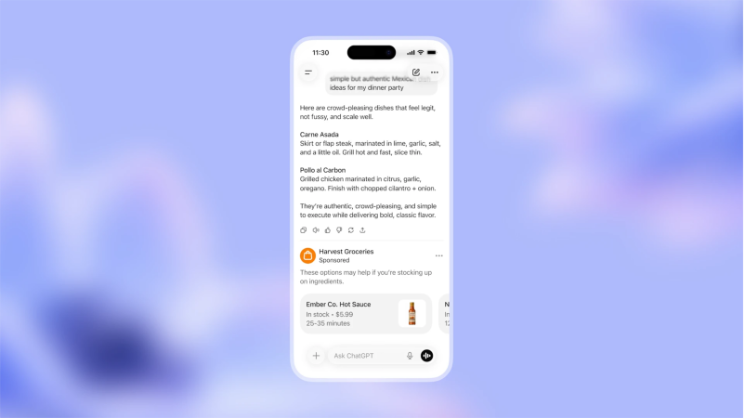
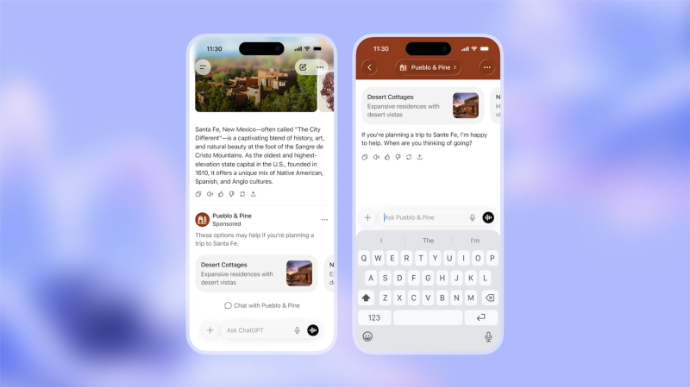
These ads appear at the bottom of responses, clearly labeled and visually separated from organic answers. They are triggered by relevance to the current conversation; think sponsored hot sauce recommendations during a recipe query or cozy cabin options in travel planning. OpenAI stresses user controls: ads are optional for personalization, data is never sold to advertisers, and feedback tools allow users to dismiss or refine them. Sensitive topics (health, politics, etc.) are excluded.
The objective is clear: fund broader access to AI, reduce usage caps for free users, and align with OpenAI’s mission to benefit humanity through AGI. Early indicators suggest a focus on useful, entertaining, discovery-oriented ads that fit naturally into conversational flows.
Opportunities for eCommerce Brands in an Intent-Rich Channel
Conversational AI like ChatGPT often captures users at high-intent moments, such as “best running shoes for beginners,” “budget-friendly weeknight meals,” or “unique gifts for coworkers.” These queries signal active shopping consideration, far more qualified than passive social scrolling or broad search terms.
For eCommerce businesses, this creates several strategic advantages:
- Contextual, intent-based ads reach users with a need. This can drive better click-through and conversions than traditional campaigns.
- Level playing field for emerging brands: OpenAI highlights access. Smaller or niche eCommerce stores can gain visibility alongside major players through relevant, AI-optimized listings, without the need for massive creative budgets.
- Pathway to conversational commerce: Future updates may enable interactive follow-ups (e.g., “Tell me more about this product,” leading to purchase flows), aligning with agentic commerce trends where AI assists with comparison, recommendations, and buying.
- Early-journey capture: Many product searches now start with AI tools rather than traditional search engines. Brands that appear here can build awareness and drive traffic at the top of the funnel. Categories like lifestyle, food & beverage, home goods, travel, and fashion stand to benefit most from this high-intent discovery layer.
Challenges and Risks to Monitor Closely
Despite the promise, several factors warrant caution:
- Potential premium pricing: Industry reports suggest entry costs could be higher than those of established platforms like Meta or Google, making it a higher-stakes test for budget-conscious brands.
- User perception and trust: Introducing ads into a “helpful” AI experience can make it feel intrusive, even with clear labeling. If users sense commercialization, they may opt for ad-free paid tiers or switch to another platform.
- Limited initial scale: U.S.-only testing, logged-in adults, free/Go tiers only. No ads for premium users (often higher spenders) or on sensitive topics. Broad rollout will take time.
- Competitive intensity: Deep-pocketed brands may dominate early auctions. Smaller eCommerce players will need optimized, AI-friendly product data to compete effectively.
New channels often launch at a premium and exclusive offerings before performance data enables wider accessibility. Early adopters may capture outsized gains.
Strategic Takeaway for eCommerce Leaders
ChatGPT ads represent one of the most intent-focused advertising opportunities to emerge in recent years. This channel could redefine product discovery, especially for brands ready to adapt to listings for AI visibility (with clear descriptions, high-quality images, and accurate pricing).
At i95Dev, we view this as an additional layer in the evolving eCommerce ecosystem, not a replacement for proven channels, but a powerful complement for brands prioritizing relevance and user experience.
Our main recommendation: closely track U.S. test results, begin preparing AI-optimized content now, and initiate limited trials as access widens. Brands that act thoughtfully and early will be ready to lead in AI-powered commerce as this channel develops.
Stay updated with i95dev for more eCommerce insights and strategies.