


In our last blog on Magento 2.0, we had looked at the improved admin interface of Magento 2.0. The other blogs in the series include blogs on the modern technology stack in Magento 2.0, features to help expedite the development, QA, and deployment process, improvements in the checkout process to improve conversions and drive sales, and the changes made to themes in Magento 2.0 and how it simplifies frontend development and customization. If you have not already read those then we encourage you to do that. In this blog, we will look at the changes made to the Magento 2.0 platform to improve its scalability and performance.
High Performance and Scalability
The Change
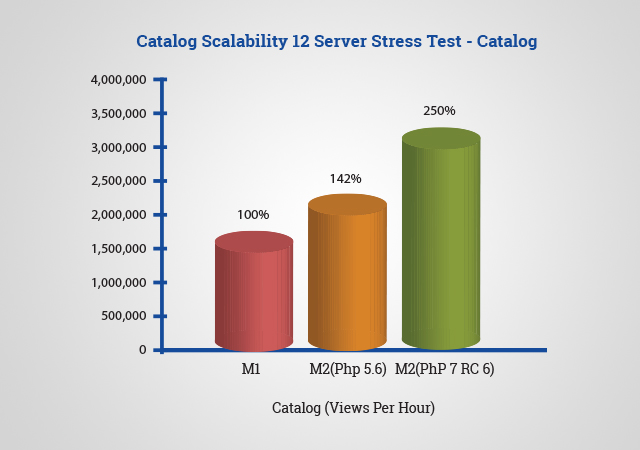
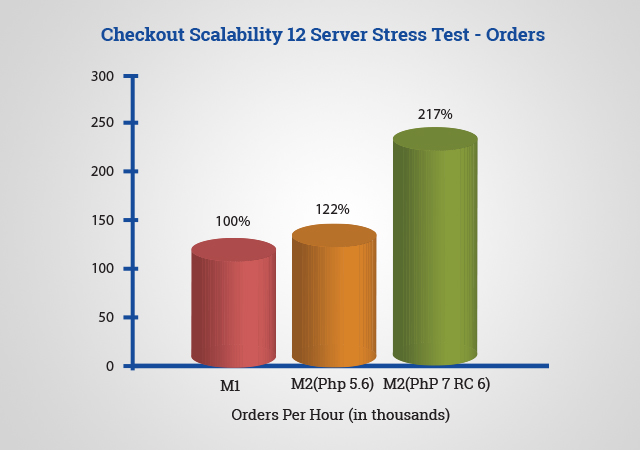
- Magento 2.0’s improved performance and scalability over Magento 1.x is the highlight of the release. Taking feedback from the community, Magento has made significant investments in improving the scalability and performance of the platform in Magento 2.0.
- The modern technology stack, modular code base, new architecture, new ways to customize and build themes, etc. were all steps taken towards that.
- Performance
- Client Side Performance Improvements
- A number of changes were made in Magento 2.0 to improve page load time for end customers and enhance shopping experiences, such as improved browser caching for static assets, removal of inline JavaScript, bundling of JavaScript files, and minification of JavaScript, CSS, and HTML.
- Server Side Performance Improvements
- Full page caching (with support for Varnish as backend) and optimized indexing/partial indexing are now available out-of-the-box in both Magento CE and EE.
- Other changes include support for latest versions of Redis and MemCache, and use of job queues to remove blocking operations and deadlocks with asynchronous order insertion and deferred stock updates.
- Client Side Performance Improvements
- Scalability
- Magento 2.0 Enterprise Edition allows multiple master/slave databases based on functional areas like checkout, order management, and product catalog.
- The Community Edition still operates on a single database.


What this means for Merchants
- Magento 2.0 uses full page caching to improve load time and reduce server load, improving customer experience and reducing infrastructure costs.
- Multiple databases in Enterprise Edition improve performance and eliminate dependency on a single database.
What this means for Developers and Partners
- Performance was a major pain point in Magento 1.x. Developers had to spend significant effort improving it.
- Magento 2.0 allows developers and partners to focus more on strategic improvements.
What this means for End Customers
- End customers benefit from a faster, more reliable, and enhanced shopping experience.
Stay tuned for our next blog on Magento 2.0!!


